 USA
USA Mexico
 Canada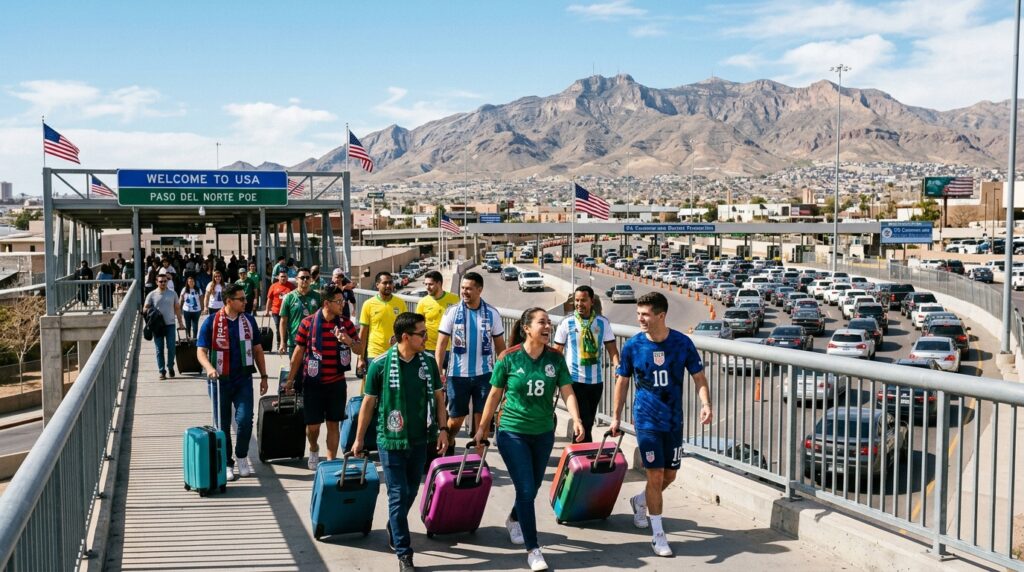
Are you ready for the ultimate football road trip? When the massive 2026 global football tournament kicks off, millions of passionate fans will scramble for the fastest, cheapest, and smartest ways to reach the host cities. If you hold tickets for the epic showdowns at the breathtaking Estadio BBVA in Monterrey, you might think booking a direct, incredibly expensive international flight is your only option.
Crossing the US-Mexico border at El Paso gives fans a remarkably straightforward land entry directly into Ciudad Juárez. From there, the gateway to Monterrey swings wide open. This route is an absolute game-changer, especially if you plan to fly into El Paso International Airport or if you are driving down from the western United States. However, crossing an international border during a massive global event is like navigating a complex maze. One wrong turn or missing document can cost you hours of precious vacation time. Let us break down exactly how you can conquer this border crossing, secure your travel documents, and make it to your stadium seat without breaking a sweat.
Why El Paso is Your Ultimate Gateway to the Action
Look at a map of North America. El Paso sits precisely at the crossroads of two massive nations. Instead of battling the chaotic, overwhelmed airports in major Mexican hubs, utilizing El Paso allows you to stay in control of your journey. You can enjoy the predictable infrastructure of a US domestic flight into El Paso International Airport, grab your bags, and literally walk or drive right up to the border. It is the ultimate travel hack for Western fans looking to avoid ridiculous international airfares.
Choosing the Best Border Bridge for Your Crew
El Paso and Ciudad Juárez are deeply connected sister cities, meaning you actually have multiple bridges to choose from when crossing. Picking the right bridge is like choosing the correct checkout lane at the grocery store. It dictates how fast you get moving.
The Speed of the Paso del Norte Pedestrian Bridge
Do you want to skip the traffic entirely? The pedestrian-friendly Paso del Norte Bridge, commonly referred to by locals as the PDN, is unequivocally the fastest option for most foot-traveling fans. Imagine casually walking across a bridge over the Rio Grande while thousands of cars sit parked in gridlock beside you.
When you cross on foot, southbound wait times are remarkably short, usually hovering around ten to thirty minutes. You roll your suitcase across the pedestrian walkway, pass through the Mexican customs checkpoint, and emerge right in the bustling heart of Ciudad Juárez. From there, grabbing a local taxi to the bus terminal is a breeze.
Navigating Vehicle Crossings at BOTA and Stanton
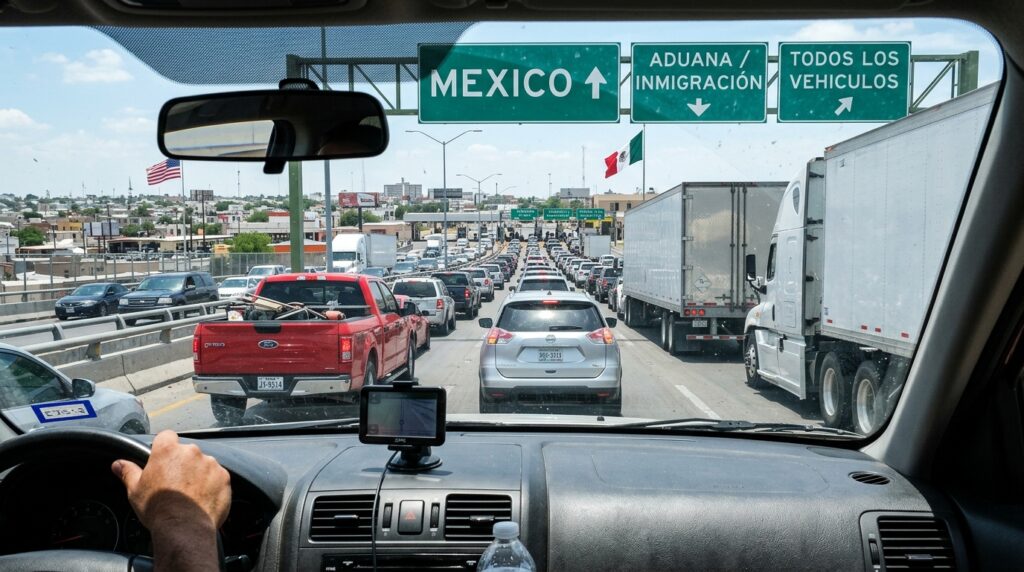
You may be treating this tournament as the ultimate North American road trip and driving your own vehicle. You will need to utilize the vehicle crossings at either the Bridge of the Americas, known locally as BOTA, or the Stanton Street Bridge.
While driving gives you ultimate freedom, you must pack a heavy dose of patience. These bridges handle massive volumes of daily commuter and commercial traffic. On busy tournament days, the wait times to cross in a car can easily stretch to one or two hours, sometimes even longer. Do you really want to spend three hours staring at the bumper in front of you? If you must drive, plan to cross incredibly early in the morning or very late at night to dodge the worst of the bottlenecks.
Essential Travel Documents You Cannot Forget
You cannot just smile and wave your way into another country. Crossing the border requires military-level preparation regarding your paperwork. Do not be the person who holds up the entire line because you left your passport sitting on your kitchen counter.
Passports and the Magic of the FMM Tourist Card
First and foremost, United States citizens absolutely need a valid passport book or a passport card to cross the border. The fantastic news is that US citizens do not require a complex visa for tourism stays of up to one hundred and eighty days.
However, you do need something called an FMM tourist card. Think of this as your official permission slip to explore the country. You can fill out this form online before you even leave your house, or you can grab a paper copy directly at the border crossing. Here is the ultimate budget tip. If your stay in Mexico is under seven days, the FMM card is completely free. If you are staying longer to catch multiple matches, it will cost you roughly forty-five dollars. Have this document filled out and ready to present to the customs agent to keep the line moving fast.
Mandatory Mexican Auto Insurance and TVIP Permits
If you are brave enough to drive your own car across the border, your American auto insurance policy immediately becomes a worthless piece of paper the moment your tires touch Mexican soil. You are legally required to purchase mandatory Mexican auto insurance. You can buy this easily online before your trip or at various kiosks near the border.
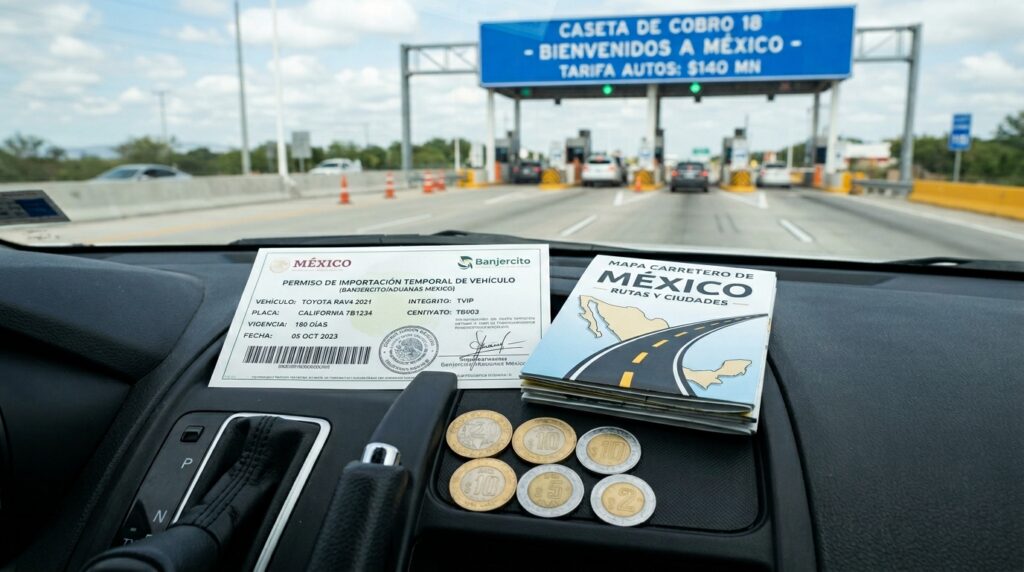
Furthermore, if you plan to drive outside the immediate border zone and head deep into the country toward Monterrey, you must secure a Temporary Vehicle Importation Permit, known as a TVIP. This permit proves you are not illegally importing a car to sell. You must leave a monetary deposit, which is refunded when you drive the car back into the United States. Do not skip this step, or you will face massive fines and potential vehicle confiscation at military checkpoints.
How to Travel From Ciudad Juarez to Monterrey
You made it across the border! Welcome to Ciudad Juárez. Now, you need to cross the vast, beautiful expanse of the Chihuahuan Desert to reach the towering mountains surrounding Monterrey. You have two primary methods to conquer this distance.
Riding the Long Distance Luxury Buses
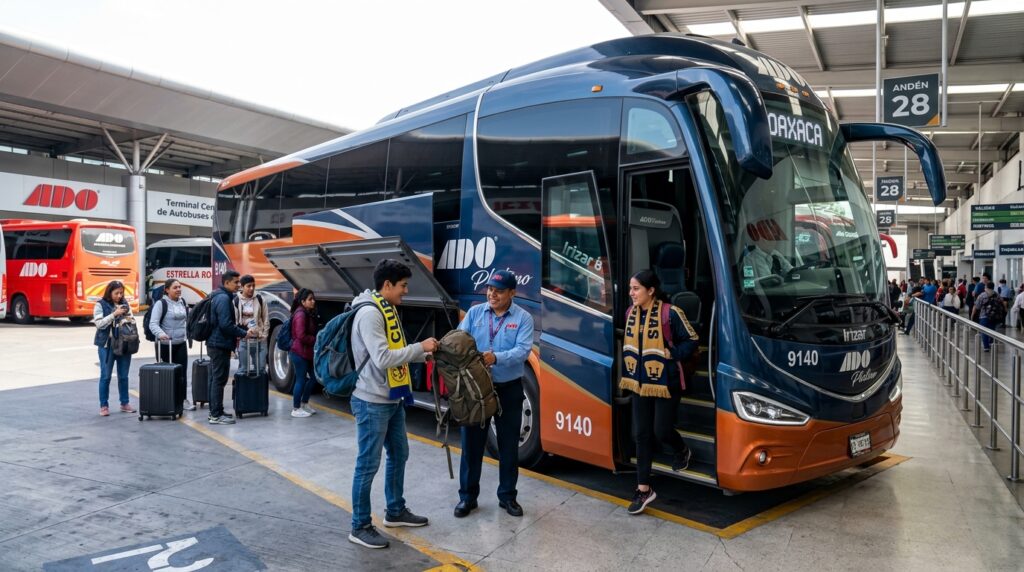
If you want to sit back, relax, and let someone else do the driving, the Mexican long-distance bus system is an absolute revelation. It is nothing like the cramped, uncomfortable buses you might be used to in the United States. These are rolling luxury lounges.
Head straight to the central bus terminal in Juárez and look for major carriers like Omnibus de México or Chihuahuenses. They run multiple direct departures to Monterrey every single day. The journey takes around fifteen to sixteen hours, but the time flies by. For roughly one hundred and twenty to one hundred and ninety dollars, you get massive, reclining plush seats, air conditioning, onboard movies, and plenty of legroom. You can easily sleep through the night and wake up refreshed as the bus pulls into Monterrey’s Central Camionera.
Conquering the Toll Roads by Car
If you drove your own vehicle across the bridge, buckle up for an epic twelve-hour drive. The smartest and safest way to navigate this journey is by strictly utilizing the MX-45D toll road route.
Think of the toll roads as the VIP lanes of the Mexican highway system. They are beautifully paved, heavily patrolled by the Green Angels tourist assistance fleet, and bypass the slow, congested local towns. Yes, you will pay several tolls along the way, but the speed, safety, and peace of mind are absolutely worth the investment. Just remember that northbound return traffic heading back to El Paso often spikes heavily after major matches, so build in plenty of extra time for your drive home.
Mastering Game Day Transit at Estadio BBVA
You finally made it to Monterrey. You can see the stunning, metallic shell of Estadio BBVA reflecting the sunlight against the backdrop of the iconic Cerro de la Silla mountain. The atmosphere in the city is electric. But how do you actually get to the stadium gates without pulling your hair out?
Riding the Metro Line 1 to Exposicion Station
Estadio BBVA is a modern architectural masterpiece, but driving a car anywhere near the stadium on game day is an absolute rookie mistake. The local streets instantly transform into gridlocked parking lots.
To completely skip the stadium chaos, you need to utilize the local transit system. Hop on the Metrorrey, the city’s sleek and efficient light rail network. You want to ride Line 1 directly to the “Exposición” transit stop. Once you step off the train, you are practically there. From Exposición, you can either take a short, vibrant walk alongside thousands of chanting fans or jump on one of the official shuttle buses that drop you right at the security perimeter. It is cheap, fast, and completely immune to traffic jams.
Surviving the Inevitable Cell Service Crash
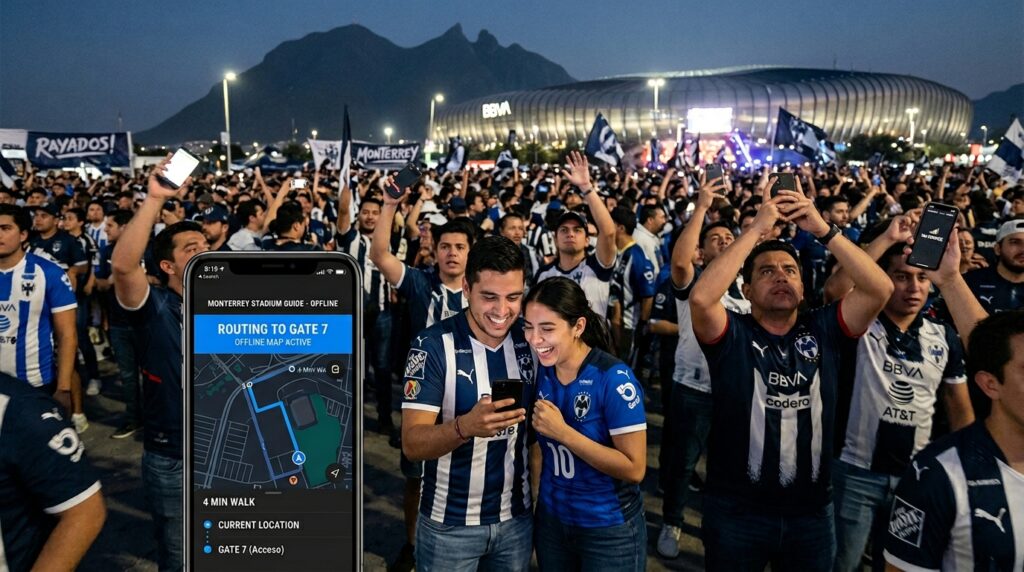
We need to address the elephant in the room regarding mega-events. When over fifty thousand hyped-up international fans all congregate around Estadio BBVA, they are all going to pull out their smartphones to record videos, send messages, and hail rideshares at the same moment.
Related Post: The Amtrak Northeast Regional Guide for 2026 Tournament Fans
Why the Stadium Route App is Your Best Friend
What happens next? The local cellular networks will buckle under the immense pressure. Your signal will drop to zero. You will not be able to load a map to find your way back to the Metrorrey station or figure out which bus terminal you need. Being disconnected in a massive, unfamiliar crowd is incredibly stressful.
This is exactly why you must pre-download the Stadium Route app before you ever cross the border in El Paso. Because this app operates using fully offline maps, it serves as your personal, indestructible digital compass. Even when the cellular networks completely collapse under the tournament crowds, your Stadium Route app will instantly map out the safest walking paths to Exposición station, highlight your specific stadium entry gates, and guide you seamlessly through the Monterrey transit system. It is the ultimate insurance policy against the digital blackout.
Ending Lines
Crossing the US-Mexico border at El Paso to reach the massive Monterrey football matches is an adventurous, highly rewarding travel strategy that saves you from astronomical airfares. Once you are in Monterrey, ditch the car and ride Metrorrey Line 1 straight to the stadium action. Most importantly, do not let the inevitable game day cell service crash ruin your experience. Arm your smartphone with the offline power of the Stadium Route app before your trip begins. Navigate the borders, conquer the transit lines, and get ready to experience the most thrilling sporting event of your life!